PET Talk 9: Deployable Differential Privacy
Veranstaltungsort
OnlineReferent*innen
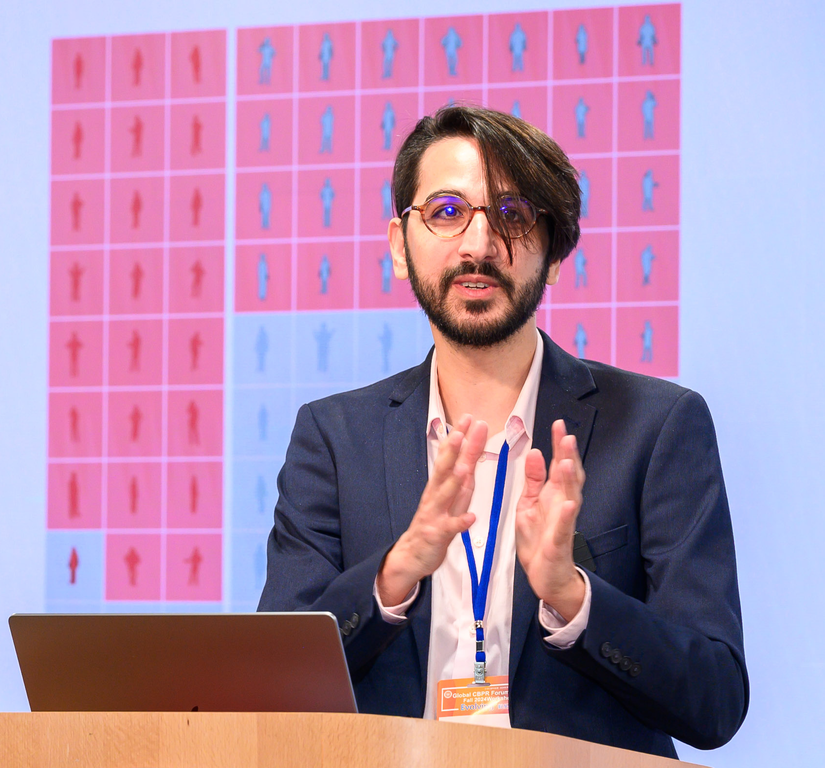
Shlomi Hod
Dr. Shlomi Hod is a researcher at the Weizenbaum Institute and affiliated with Georgetown University. His work focuses on creating tools for the real-world deployment of responsible AI systems, with particular emphasis on differential privacy. He has led workshops on operationalizing Responsible AI for policymakers, regulators, and diplomats across organizations worldwide, including the US Congress and the German Federal Foreign Office. Shlomi earned his Computer Science PhD from Boston University, after which he worked at the German Institute for Employment Research (IAB) on data privacy. During his doctoral studies, he completed an OpenDP fellowship at Harvard University and a one-year research visit at Columbia University.
Anmeldung
- Kosten
- Kostenlos
- Hinweis
- Zu dieser Veranstaltung können Sie sich online anmelden.
- Anmeldefrist
- 26.04.2026
- Abmeldefrist
- 26.04.2026
- Freie Plätze
- 32